The Callanish Standing Stones (Calanais) on the west coast of the Isle of Lewis are one of the most important prehistoric sites in Britain, erected around 3000 BC and therefore older than the stone circle at Stonehenge. The main site, Callanish I, is a cross-shaped arrangement of thirteen stones around a central monolith with avenues running out from it, and there are further smaller circles nearby.
There is a visitor centre with a car park and cafe, and unlike most monuments of this significance you can walk among the stones themselves.
The Callanish Standing Stones
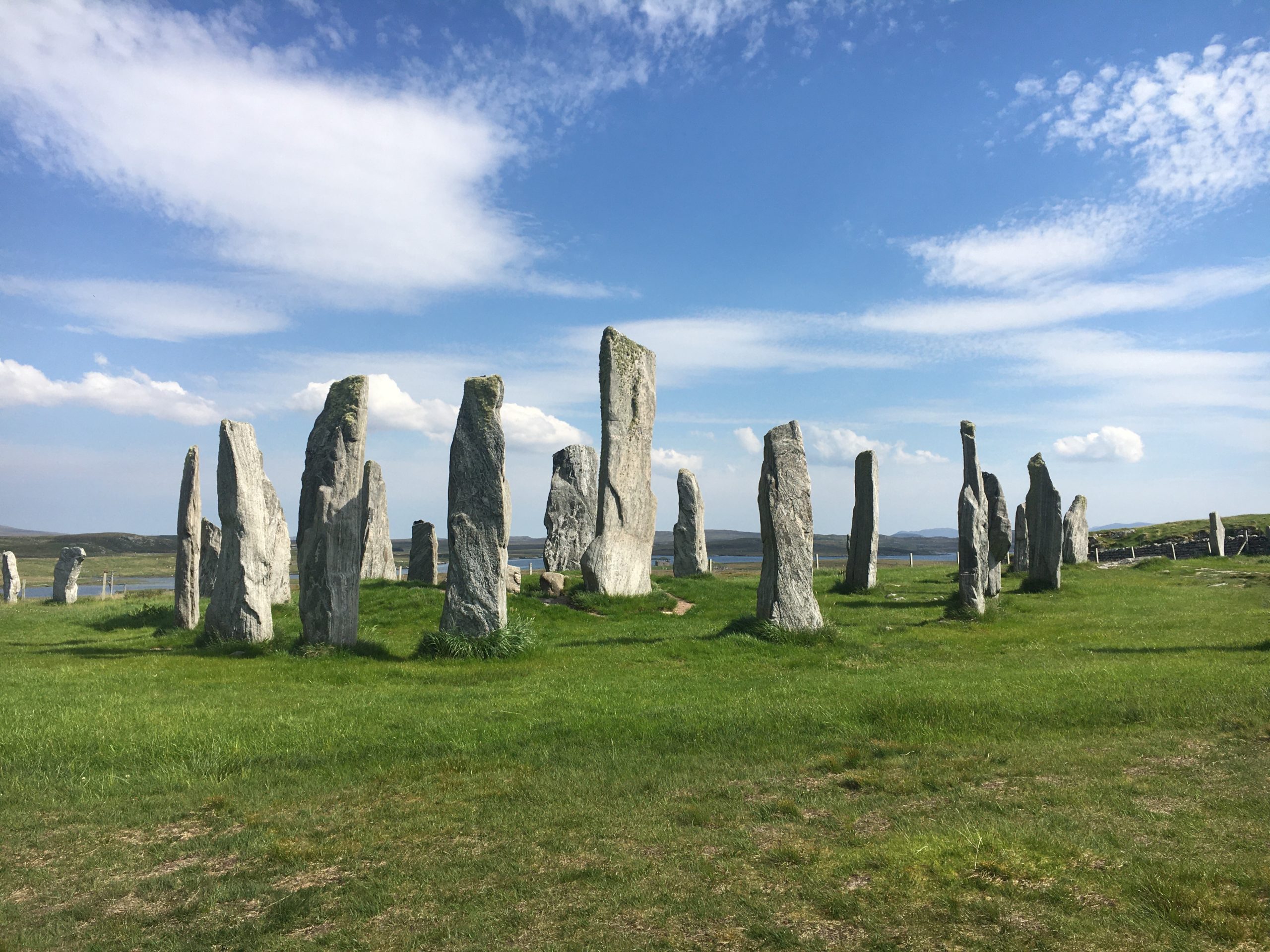
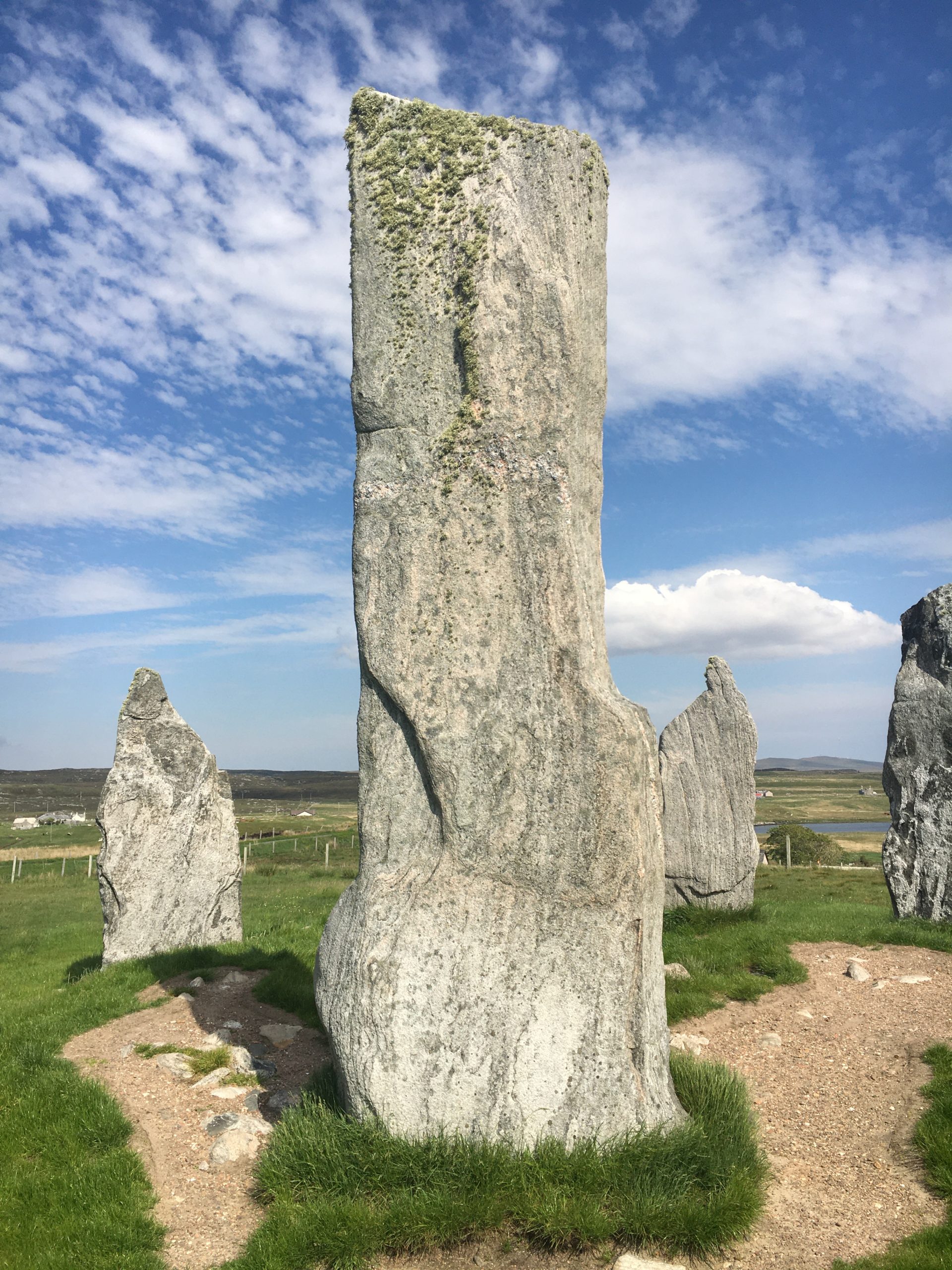
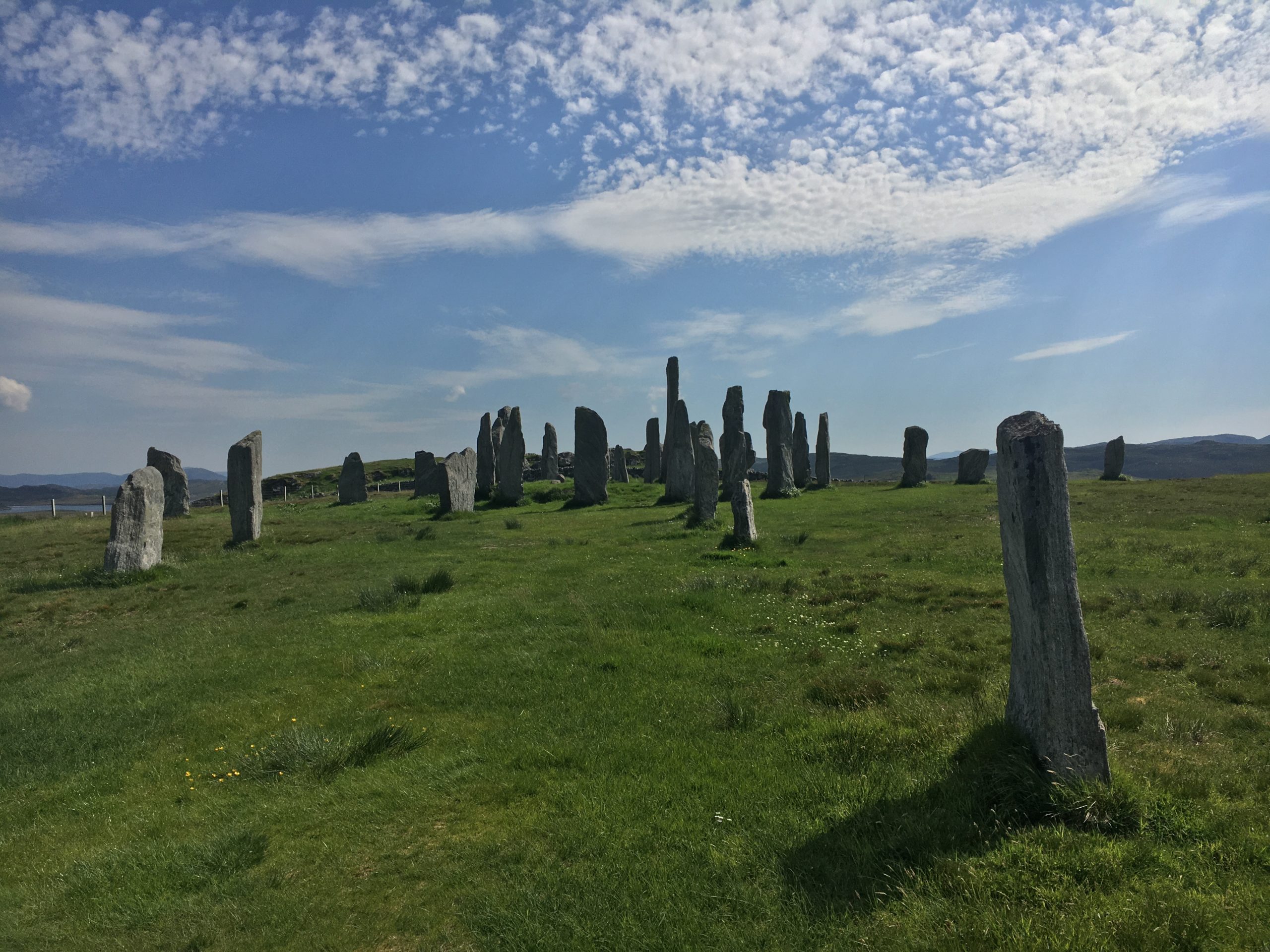
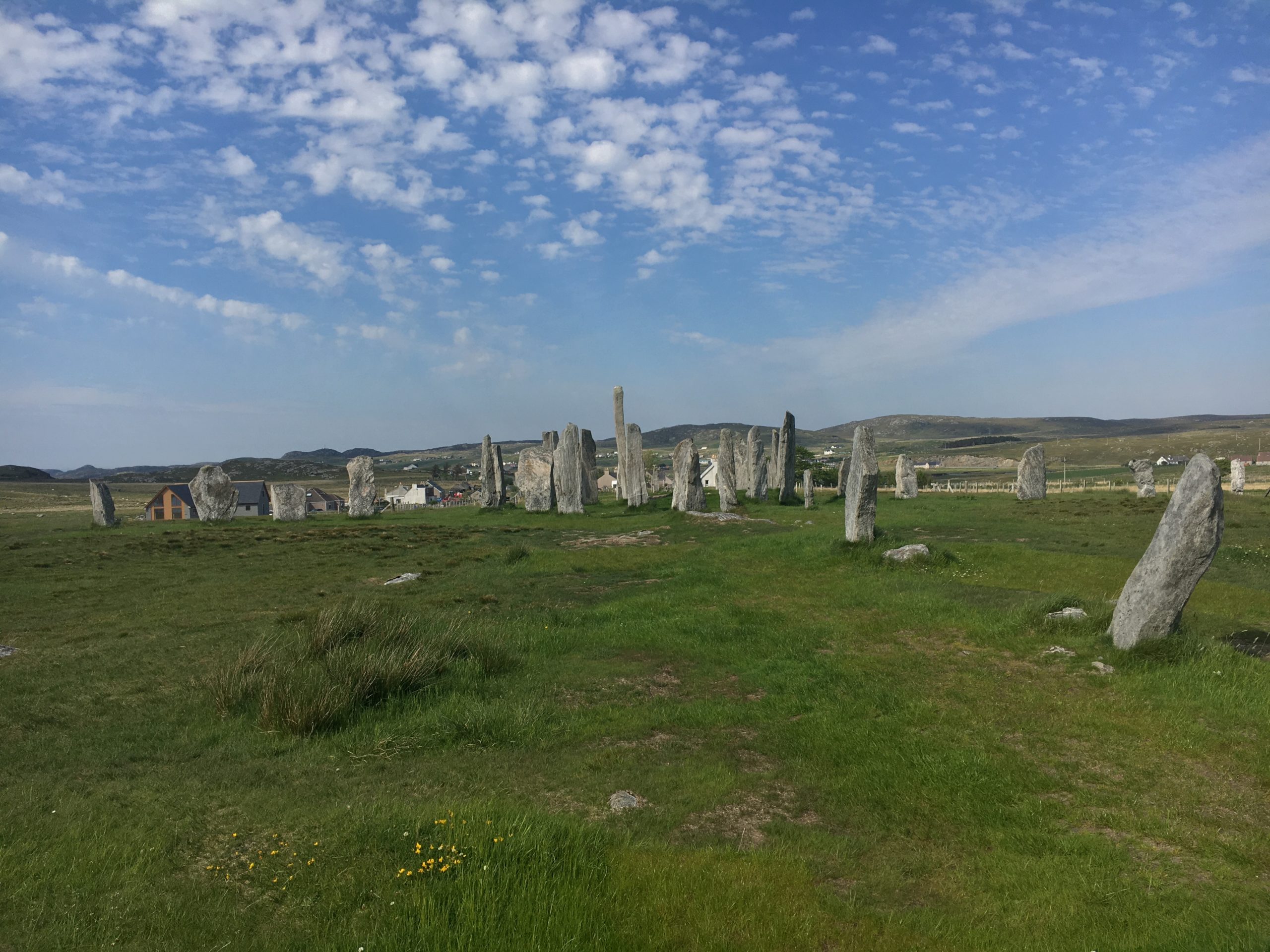
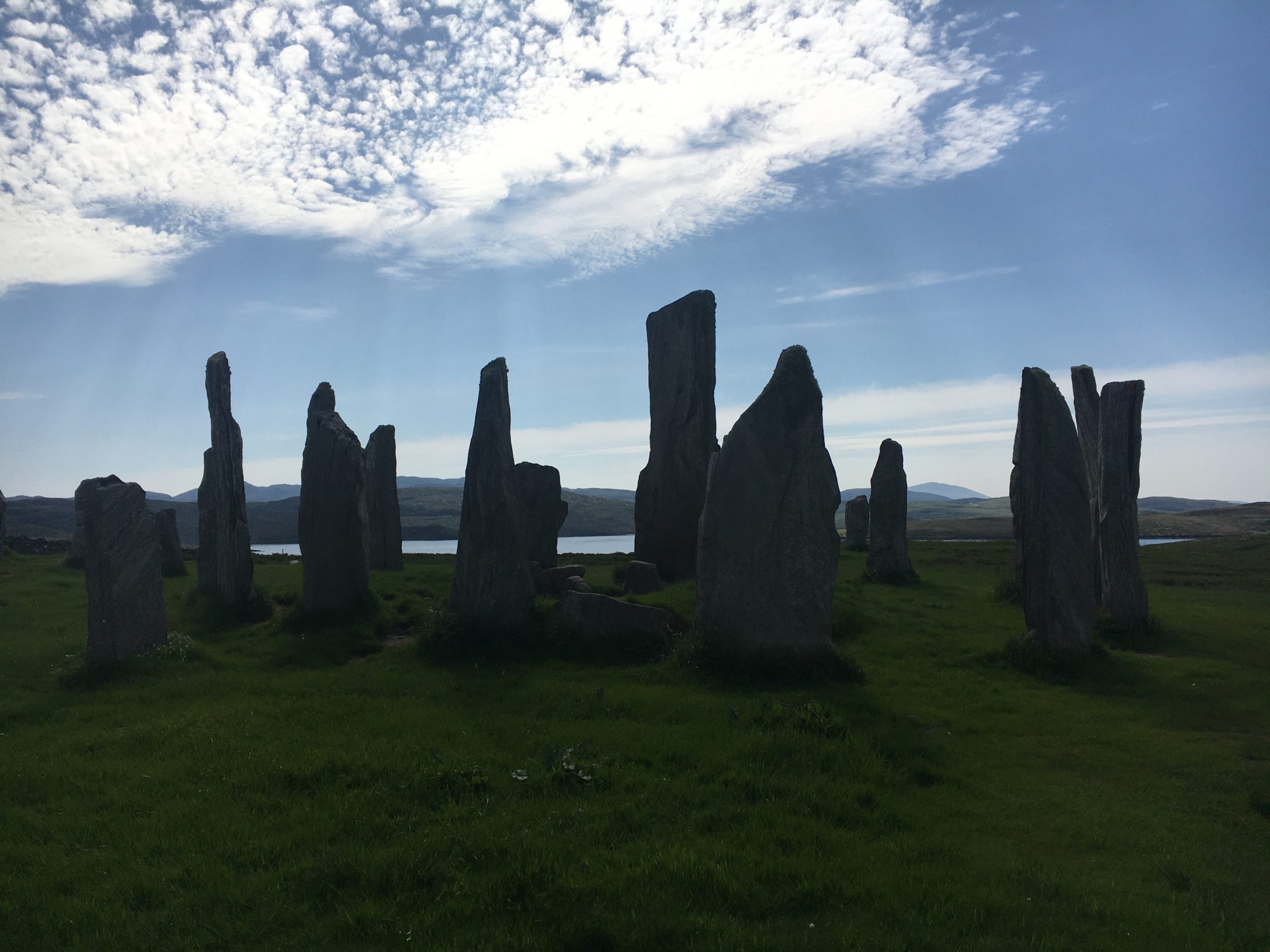
The Callanish Standing Stones, also known as Calanais or Callanish I, are a group of megalithic monuments located on the outskirts of Callanish, Isle of Lewis. The site dates back to the Neolithic era, approximately 4,500-5,000 years ago, making it one of the oldest and most important prehistoric sites in the British Isles.
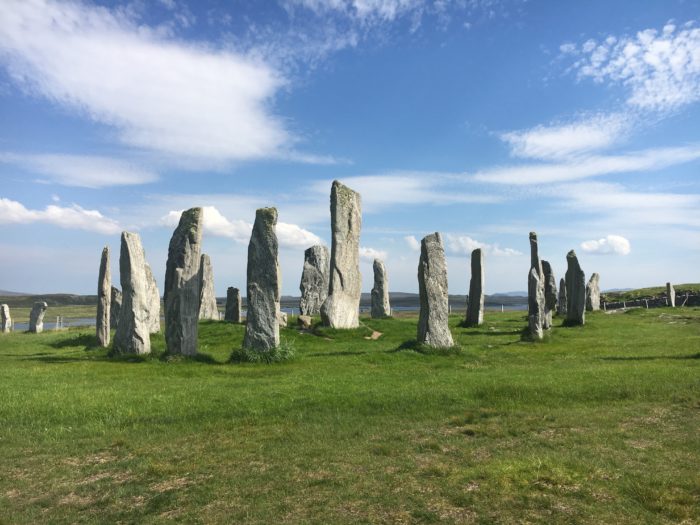
The Callanish complex consists of several structures, the most famous of which is the main circle of 13 standing stones with a central monolith. This circle is surrounded by a series of smaller stone settings, including rows, circles, and solitary stones. The main circle is roughly 13 metres in diameter, and the central monolith stands around 5 metres tall. In total, there are over 50 individual stones in the complex.
The exact purpose of the Callanish Standing Stones remains unknown, but they likely served a combination of religious, astronomical, and social functions. Some theories suggest that the stones were used for rituals or ceremonies, possibly related to the seasons, lunar cycles, or the dead. The stones’ arrangement suggests a possible connection to celestial events, such as the solstices and equinoxes, indicating that the site may have been used as an ancient observatory. However, no definitive evidence has been found to support these theories conclusively.
The stones fell into disuse and were largely forgotten for centuries. Over time, they became buried under peat, which helped preserve them. In the 19th century, the stones were rediscovered, and the peat was removed, revealing the ancient site in its entirety. Since then, the Callanish Standing Stones have become an important archaeological site and a popular tourist attraction.
Today, visitors can explore the site and appreciate the enigmatic beauty of these ancient monuments. The stones remain an enduring symbol of Scotland’s prehistoric past and the rich cultural heritage of the Outer Hebrides.
Opening Hours:
Visitor Centre & Shop
Monday – Saturday
9am – 5pm (Apr-Sept)
10am – 4pm (Oct-Mar)
Cafe
Monday – Saturday
9am – 5pm (Apr – Sept)
10am – 4pm (Oct – Mar)
Serving hot food until 3PM. Light refreshments after 3PM.
People can also now book tickets via our website: https://calanais.org/booking-information/
Prices:
Adult – £15
Child (5-16 years) – £10
Under 5 years old – FREE
Universal Credit Adult – £7.50
Universal Credit Child (5-16 years) – £5
Family 1 adult & 1 child – £22.50 (instead of £25)
Family 1 adult & 2 children – £31.50 (instead of £35)
Family 2 adults & 2 children – £45 (instead of £50)
FREE:
Historic Environment Scotland Members – FREE
Accompanying Carer with full paying ticket holder – FREE
Outer Hebrides Residents with a Calanais Residents Pass – FREE
NOTES:
Admission tickets will be valid for one year from the purchase date allowing multiple visits.
A ticket is not required for the cafe or shop.
Calanais Residents Passes are exclusively available to those with an HS postcode with proof of address and ID, and need annual renewal.
Calais Visitor Centre, Calanais, Isle of Lewis, HS2 9DY
T: 0851 621422
E: hello@calanais.org
W: https://calanais.org/
In short
The Callanish Standing Stones on the west coast of the Isle of Lewis were erected around 3000 BC, making them older than the stone circle at Stonehenge. The main site is a cross-shaped setting of thirteen stones around a central monolith, with further smaller circles nearby. Access is free and open at all hours, with a visitor centre, car park and cafe. It is about sixteen miles west of Stornoway on the A858.
Frequently asked questions
How old are the Callanish Standing Stones?
They were erected around 3000 BC, roughly 5,000 years ago, which makes the site older than the stone circle at Stonehenge and among the oldest megalithic monuments in Britain.
Where are the Callanish Standing Stones?
At Callanish on the west side of the Isle of Lewis, about sixteen miles west of Stornoway on the A858. The drive takes around half an hour.
What were the Callanish stones for?
Nobody knows with certainty. The alignment of the avenues suggests a connection with lunar and solar cycles, and the site was used for ritual and burial over a very long period, but no definitive explanation has been established.
Are there other stone circles near Callanish?
Yes. Several smaller circles stand within a short distance of the main site, usually known as Callanish II, III and so on. They are much quieter than the main circle and are reached on foot from the road.